ChatGPT Wallet agents can now buy, if your website lets them through
OpenAI's agents can now check out for US users, and UK B2B sites should look at their forms and reports first
ChatGPT Wallet, launched by OpenAI on 13 November 2026, lets a ChatGPT agent complete a purchase using a card-network payment token after the user approves it and passes a security check. It's limited to US ChatGPT Pro users for now, and merchants' sites can still block agent purchases.
In short
- OpenAI began rolling out ChatGPT Wallet on 13 November 2026, built with American Express, Mastercard and Visa.
- Each agent purchase needs the user's approval and a security check, and a payment token stands in for the card number.
- The rollout is limited to US ChatGPT Pro subscribers aged 18 and over with US-issued cards, so UK firms have time to prepare.
- OpenAI says merchants' sites and risk systems can still block genuine agent purchases, and United and Amazon already turn agents away.
- Agent-driven sessions may look like cloud-provider visits with no company behind them, so report them separately from account interest.
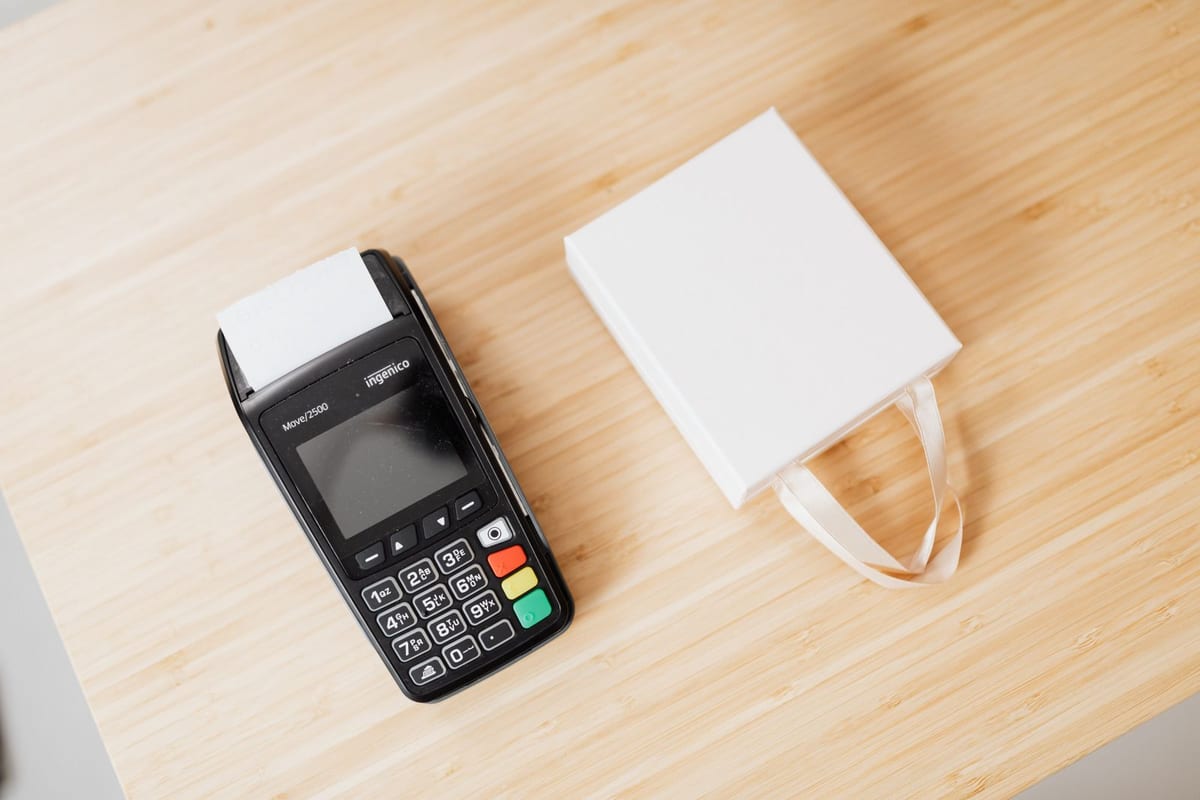
On 13 November 2026 OpenAI began rolling out ChatGPT Wallet, which lets a ChatGPT agent finish a purchase with an American Express, Mastercard or Visa payment token instead of your card number, after you approve it and pass a security check.1 It's US-only for now. OpenAI says merchants' sites and risk systems can still block or decline genuine agent purchases.2
What is ChatGPT Wallet and how does it work?
OpenAI calls its agents dots, and the idea is that you add an eligible card to the wallet once and then ask your dot to help with a purchase. Before anything is charged you see the items, the total and the card, and you approve with a security check such as Face ID or a fingerprint, which leaves a record of the transaction.1
At checkout the wallet pays with a payment token, a stand-in number from the card network, so neither the dot nor the merchant ever sees your real card details. The merchant still gets what it needs to fulfil the order, such as the shipping address and contact information, because the dot passes those over. Your card rewards and the right to dispute a charge carry over too.1
Fully delegated spending, where an agent buys within limits you've set in advance, isn't here yet. OpenAI describes spending limits and pre-approved categories or time periods as future plans, and for now every purchase needs its own approval.12 None of the launch coverage we read mentions a fee for shoppers or merchants, so we'd treat costs as not publicly documented rather than assume they're zero.
Is ChatGPT Wallet available in the UK?
Not yet. The first rollout covers a limited number of US ChatGPT Pro subscribers aged 18 and over with a US-issued Visa, Mastercard or American Express card, and OpenAI says the narrow launch is there to test and improve the feature before it goes wider.1 No UK date has been given.
That buys UK firms some time, and it's a fair reason to stay calm about the hype. TechCrunch notes that DoorDash and Uber have so far reported low numbers of orders placed by AI agents, although Meta says shopping is a top activity in its Muse app, which has over 10 million users.1 Sam on AI's brief makes a sharper point, which is that the announcement sets out a payment design but supplies no conversion or fraud-rate evidence.2 If you're being sold agentic commerce as a sure thing, that's worth bearing in mind.
Some big sellers are already turning agents away
On 11 November, two days before the wallet launch, United Airlines said it would stop unauthorised third-party AI agents from booking or managing its tickets, and a revision to its contract of carriage dated the same day lets it cancel reservations an agent made, changed or serviced.3 United pointed to leaked login details, unintended purchases and account changes as the risks.4 TechCrunch reports that Amazon is the largest retailer to ban AI agents from shopping on its site.1
So whether an agent actually gets through is down to your website rather than the wallet. OpenAI has published a Commerce Partner Playbook for businesses that want to be reachable, including guidance on letting ChatGPT's browser reach an existing site.5 For a UK B2B firm the checkout is usually a trial sign-up, a quote request or a trade order form rather than a basket, and you'll face the same question with all three.
Four checks to run before agents reach UK buying
You don't need a developer for any of this, just the person who owns the website and the person who owns the numbers in a room for an hour this week.
- Fill in your own trial, quote and order forms as a stranger would, and note every point where the site asks the visitor to prove it's human. Look hard at any puzzle test or "unusual traffic" block that would stop a legitimate assistant along with the spammers.
- Write down a policy on whether you'll welcome agents, let them in up to a point, or block them as United has. Blocking has a cost, because the agent is acting for a real buyer who approved the purchase.
- Decide how your sales team will recognise an enquiry an agent submitted, given the contact details arrive from the dot rather than being typed by the buyer. Otherwise it's easy to treat it as an ordinary form fill and reply to the wrong expectations.
- Agree that agent sessions get their own line in reports and stay out of account-interest figures, or a rise in visits next year will get chased as demand.
Sam on AI suggests a test worth borrowing, which is to follow a single authorised order through checkout, cancellation and returns.2 In B2B you'd follow one quote request from the form, into the CRM and on to the first reply, and see where it trips up.
How would an agent visit show up in your website data?
This is where your reports could mislead you without anyone noticing. An agent shopping for a buyer runs on someone else's computers, so if it reaches your site from a cloud server rather than the buyer's office network, an IP-to-company lookup, which matches a visitor's internet address to whoever registered it, will find the hosting provider and not the company doing the buying. Our worked example of how an IP address becomes a company name shows why.
In GA4 the session may look like any other visit, and in company-level visitor data it may look like a cloud provider with nobody behind it. We'd handle both the way we handle AI crawler visits in analytics, which means labelled, counted and reported separately, but not handed to sales as interest.
Scout flags data-centre traffic and holds it in the low confidence band with a one-line reason, so a hosting provider doesn't land in a sales alert dressed up as a hot account. The page on how the confidence score works explains the bands.
Telling agent sessions from real account interest
Agents will reach UK buying at some point, and the first sign will probably show in your reports well before it shows in revenue. Scout identifies the company behind each visit, adds the pages read and search queries from your own GA4 and Search Console, and keeps data-centre sessions in the low band, which makes it easier for you to separate buyers from software acting for someone you can't see. You can try Scout free for 14 days, no card needed.
Frequently asked questions
What is ChatGPT Wallet?
ChatGPT Wallet is an OpenAI feature, launched on 13 November 2026, that lets a ChatGPT agent complete a purchase for you. It pays with a payment token from American Express, Mastercard or Visa instead of your card number, and you approve each purchase with a security check such as Face ID or a fingerprint.
Is ChatGPT Wallet available in the UK?
Not yet. The first rollout covers a limited number of US ChatGPT Pro subscribers aged 18 and over with a US-issued Visa, Mastercard or American Express card. OpenAI hasn't given a UK date and says the limited launch is for testing before it goes wider.
Is ChatGPT Wallet safe to use?
Your real card details aren't shared with the agent or the merchant, because the wallet pays with a network token. You review the items, total and card before each purchase and approve it with a security check, and card rewards and the right to dispute a charge carry over, according to OpenAI as reported by TechCrunch.
Can a website block a ChatGPT agent from buying?
Yes. OpenAI says genuine agent purchases can still be blocked or declined by merchants' sites and risk systems. United Airlines restricts unauthorised AI agents from booking its flights, and TechCrunch reports Amazon is the largest retailer to ban agents from shopping on its site.
How do AI agent visits show up in website visitor data?
If an agent reaches your site from a cloud server, an IP-to-company lookup finds the hosting provider rather than the company doing the buying. We'd label those sessions and report them separately rather than count them as account interest. Scout flags data-centre traffic and holds it in the low confidence band.
Sources
- TechCrunch: ChatGPT's new Wallet lets AI agents shop and check out for you techcrunch.com
- Sam on AI: AI Brief, November 16, 2026 samonai.substack.com
- Bad, Good, Better: AI Weekly Update badgoodbetter.substack.com
- TechCrunch: United Airlines blocks AI agents from booking flights, citing cybersecurity risks techcrunch.com
- OpenAI Developers: Commerce in ChatGPT developers.openai.com